Alternatives to Disposable Water Bottles
My experience with being around dedicated hikers and backpackers is that a great majority of us are at least sympathetic to environmental causes. Some may refer to themselves as environmentalists or environmental activists, but it seems all of us will at least favor intentional care for the environment.
A few examples might be: carefully following leave no trace principles; speaking up in defense of public lands; donating to environmental organizations; choosing gear that is made out of less environmentally impactful materials; things along these lines.
This isn't to classify all hikers as environmentalists. I'm merely suggesting that there seems to be a thread of common belief and behavior among us. We all seem to agree that nature is special and should be treated with some level of respect and care.
PET Among Us
I bring this idea to the front of this article because I believe this group has an opportunity to do better with (at least) one specific gear item.
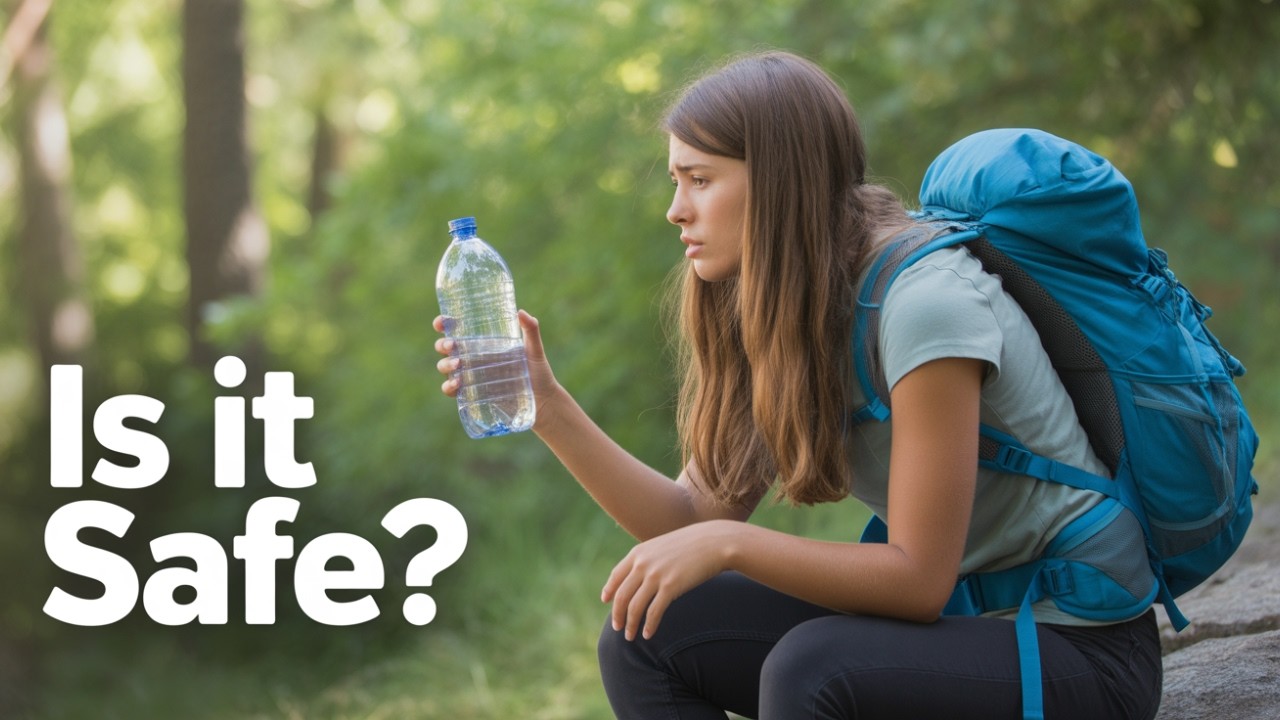
The very popular disposable water bottle has been carried by a great majority of us. But research shows that maybe we shouldn't. Here's what I mean:
Of recent years, we’ve all heard about microplastics in the environment – in our water, food, and almost everywhere. And we are just beginning to understand the possible threat microplastics pose to human health. This happens due to what is called “microplastic shedding”. That is, the releasing of tiny fibers from anything made of plastic, including carpeting, synthetic cloths, plastic bottles, etc. This shedding is a result of typically use, normal wear, washing, or stress to the material. Every type of plastic has a different rate, volume, and size of shedding.
Let's consider that most disposable water bottles are made of PET (polyethylene terephthalate) plastic. This type of plastic is specifically designed for single use. PET is also vulnerable to UV, heat, or structural stress. If re-used, or exposed to UV or heat, or if stressed, microplastic shedding from these bottles significantly increases.
When these bottles are carried on the outside of our packs, exposed to UV, heat, squeezed as part of our water filtration system, and even just repeatedly removing and replacing the cap on the bottle, these are exactly the perfect conditions for increasing microplastic shedding and ingesting.
And if we toss these bottles in the garbage after any number of uses, they end up in landfills and take hundreds of years to breakdown.
PET plastic can be recycled, which has a lower environmental impact compared to producing new PET from raw materials, but the recycling process causes manufacturing pollution and waste.
So, no matter how we slice this, using PET material should cause at least a little concern for hikers.
The Alternatives
As we’ve discovered these things, many hikers have been looking for alternatives. Here are some alternatives to consider:
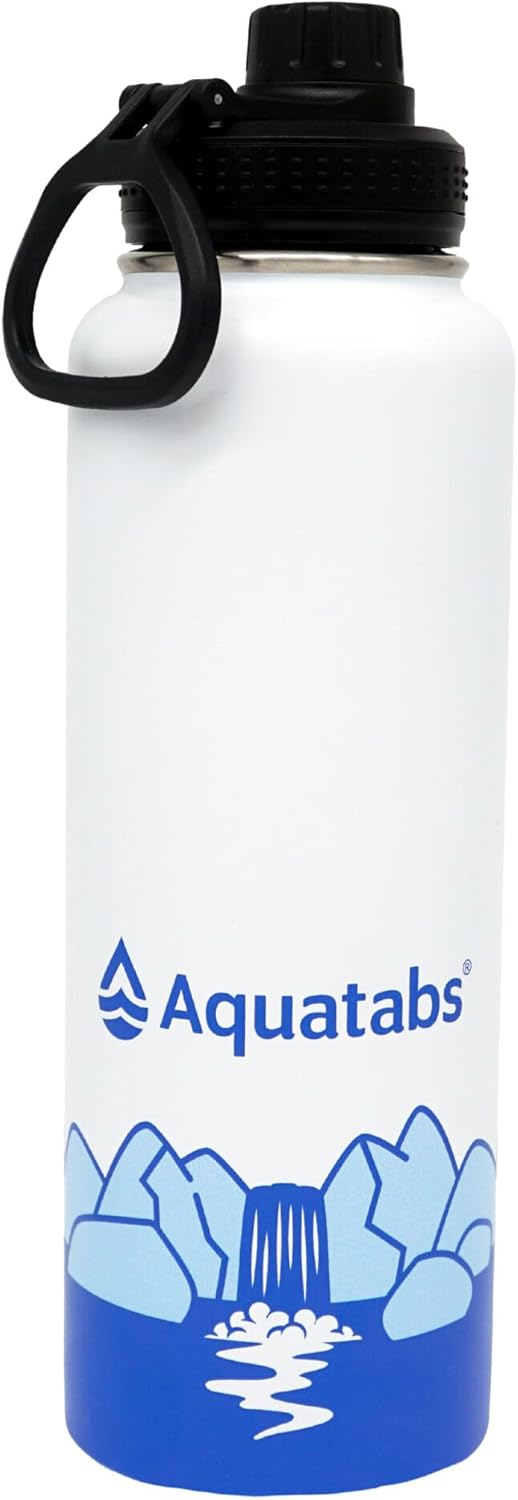
Metal Bottles. One alternative is metal water bottles. These are very durable and will last a very long time. But metal containers are heavier than plastic bottles, what most long distance hikers are not willing to carry. One exception may be titanium bottles – but they tend to be a little pricey. However, the Ti Artisan bottle shown below is $22 and weighs just a tiny bit more than non-metal bottles, but many others are $70 or more. And medal bottles are not flexible and therefore cannot be used with squeeze-type water filters. Here are a few; there are many more:
Aquatab Stainless Steel Water Bottle
Bambaw Stainless Steel Water Bottle

Ti Artisan Titanium Water Bottle

Hard Plastic Bottles. Another option is plastic containers made from hard plastics. These are BPA free, food grade, HDPE plastic and have been on the market for some time. Microplastic shedding from these is low and they will also last a very long time. But these have been unattractive to many backpackers due to at least a few factors:
- the top does not fit most common squeeze-type water filters
- it is not pliable enough to use with a squeeze-type filter
- they are bulkier and weigh more than most long distance hikers would consider carrying
One example is the Nalgene (there are many different sizes and types of Nalgene bottles and other companies offer similar bottles).

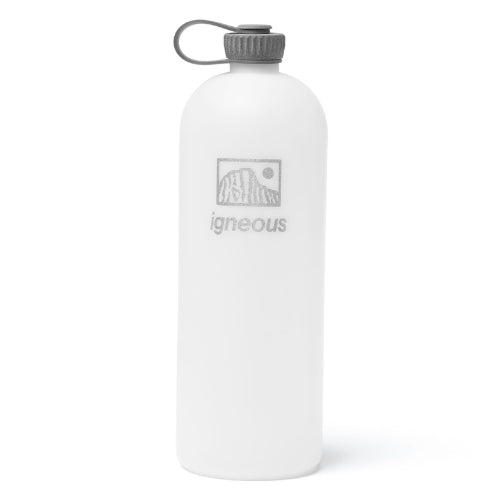
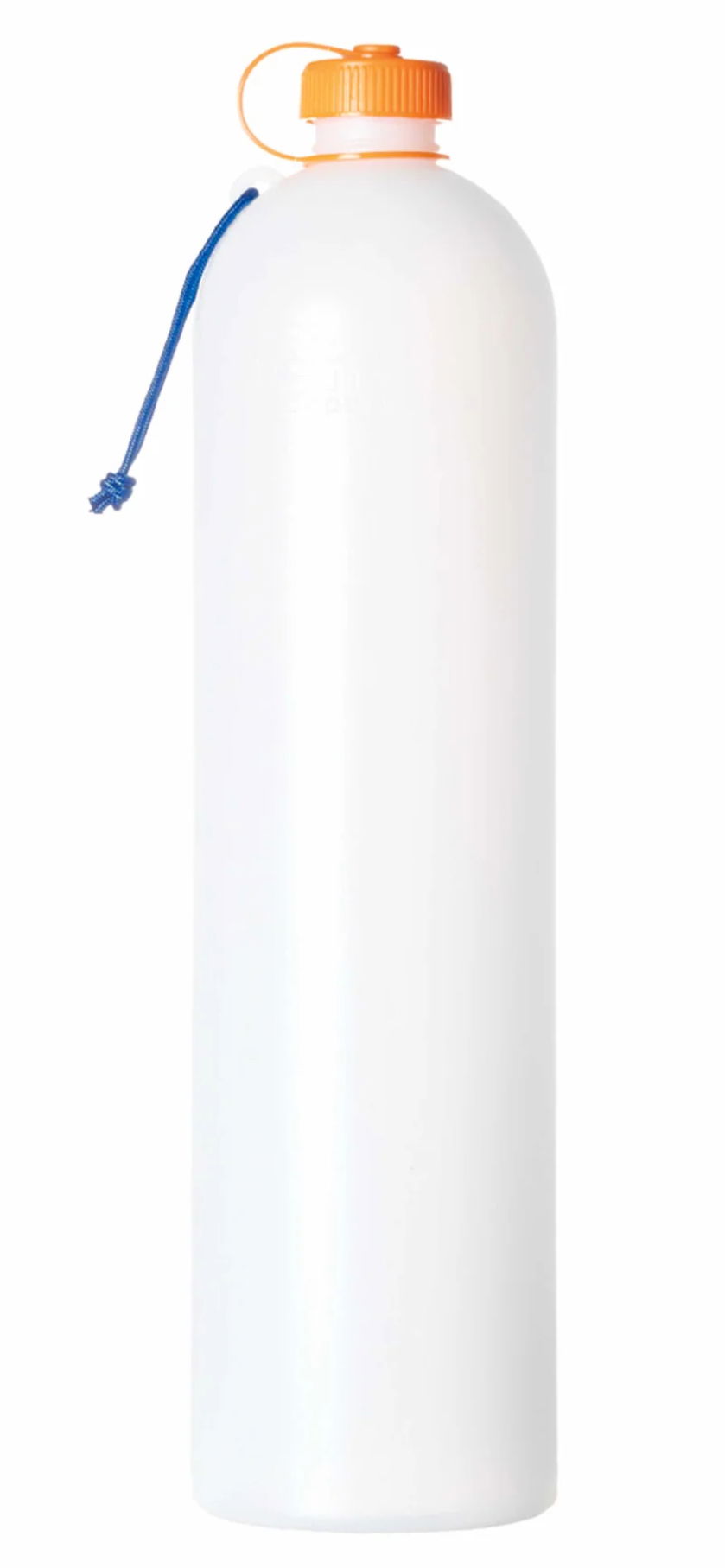
Pliable Plastic Bottles. And the final option offered here may be the most reasonable alternative for many hikers. These are the more pliable HDPE and LDPE plastic bottles that also have far less micro plastic shedding and will last, theoretically, a lifetime. They weigh more than disposable plastic bottles but far less than metal and hard plastic bottles. And they fit most squeeze-type water filters. Here are a few examples:

For those who put their highest priority on weight, nothing seems to sway them from disposable PET bottles - because they weigh only an ounce or two. For other hikers who don't mind giving up a few ounces of weight in exchange for not contributing to the volume of microplastic pollutants and reducing the amount of plastic in our landfills, these alternatives may be the way to go.
The table below is a quick summary of the alternatives in this article.
| Brand | Model | Volume | Weight | Material | Microplastic Shedding |
| Business Connect Adventure | Aquatabs Water Bottle | 40 oz 1.2 Liter | 17.5 oz 496 g | Stainless Steel | None |
| Bambaw | Stainless Steel Water Bottle | 32 oz .9 Liter | 9.4 oz 267 g | Stainless Steel | None |
| Ti Artisan | Titanium Water Bottle | 25.4 oz 750 ml | 5 oz 144 g | Titanium | None |
| Nalgene | Tritan Narrow Mouth | 32 oz .9 Liter | 6 oz 170 g | HDPE | Low |
| CNOC | Thru Bottle | 33.8 oz 1 Liter | 3.2 oz 90g | HDPE | Low |
| Igneous | NOBO | 33.8 oz 1 Liter | 2.3 oz 64g | HDPE | Low |
| Mazama | M!GO | 38 oz 1.07 Liter | 4.7 oz 132 g | LDPE | Low |
I've also included some references here for those who want to dig in deeper.
- PET plastics and microplastic shedding
- PET recycling review
- Information on BPA-free plastics
- Information on the 7 Types of Plastic
- Microplastics and Our Health
- Impact of Plastic Bottles
Conclusion
At the publishing of this article, some of more attractive alternatives to PET water bottles are difficult to find; often out of stock; the demand is very high. I'm not exactly sure why it took hikers years to figure all this out (including me), but I'm glad it's now in the conversation. After all, it's hard to claim that we are an environmentally-minded group and yet ignore the most obvious violation.
I suspect the supply and demand issues will be resolved soon and that technology will continue to give us better, safer, and more options in the future. Until then, I encourage you all to do your own research and follow wherever it might lead.
Happy Trails!