The 10 Essentials of Hiking: Food
For anyone committed to a lifelong active outdoor lifestyle, food is more than just a meal; it’s fuel; and it’s best when it’s intentional. It’s the energy that keeps our legs pumping, our minds clear, and our moods positive through miles of challenging terrain. That’s why food is rightly placed on the foundational list of the Ten Essentials of Hiking.
In my younger days, I approached food with a sense of certainty: I'd eat exactly what I needed for the planned hike, and that was that. But the wilderness loves surprises. A sudden reroute, a slow pace due to fatigue, or a delay in finding a campsite can easily turn a few hours of planned hiking into a full day. I’ve learned that running on empty doesn't just make you tired; it clouds your judgment and compromises your safety. For us seasoned adventurers, carrying extra food is a sign of wisdom—it’s an inexpensive, lightweight insurance policy against bonking (hitting the wall) or getting stranded.
Here is a look at the essential strategy for packing food, focusing on the right quantities and types to sustain an active life on the trail.
The Core Rule: Carrying Your Emergency Reserve
The first principle of packing food for a hike is this: always carry more than you need for the planned duration.
- The 24-Hour Buffer. For any trip, whether it’s a day hike or a multi-day trek, you should pack enough food to sustain yourself for 24 hours longer than you anticipate being out. This reserve is the "Essential" part of the food essential. It's dedicated to emergencies—a severe weather delay, getting lost, or tending to an injured partner.
- High-Calorie, High-Nutrition, Non-Cook. The emergency food should be something you can eat instantly without cooking or preparation. Think calorie and nutrition-dense items that won't spoil.
- The Psychology of Calories. Having this reserve in your pack provides immense peace of mind. If an issue arises, you know you have the energy to think clearly and make good decisions, which is often the most critical factor in a crisis.
Your Daily Fuel: Quantity and Type
Your daily food should be carefully selected to provide the sustained energy that our bodies—especially as we get older—need to perform reliably and recover quickly.
1. The Right Balance for Sustained Energy
Trail food isn't just about total calories; it's about the balance of macro-nutrients. Aim for a mix of:
- Complex Carbohydrates. These are the primary energy source. Think whole grains, oats, and dried fruit. They burn slowly, giving you sustained energy and preventing sugar spikes.
- Protein. This is essential for muscle repair and recovery. Pack items like jerky, nuts, or protein bars. Protein helps you feel full longer and minimizes muscle soreness.
- Healthy Fats. This is where you’ll get the most calorie-dense source of energy (about 9 calories per gram). Fats are your long-term engine. Pack nuts, seeds, nut butters, and high-fat trail mix to keep you warm and fueled over many hours.
2. My Go-To Trail Snacks: Simple and Effective
- The Classic Trail Mix. Make your own with a ratio of nuts (almonds, walnuts) for fat/protein and dried fruit (raisins, apricots) for quick carbs. Add a few chocolate chips for morale!
- Nut Butter Packets. Individual squeeze packets of peanut or almond butter are lightweight, non-perishable, and a massive boost of fat and protein. Eat these packets alone or with crackers, tortillas, or flatbread for additional carbs. Or choose to dip with sliced apples.
- High-Quality Bars. Look for energy bars with simple ingredients and a good protein-to-sugar ratio. Avoid candy bars; these are a sure path to an energy crash.
- Jerky or Dried Salami. These are a great way to get easy protein and salt, especially on hot days when you are sweating.
Best Practices: Eat Early, Eat Often
The wisdom of trail nutrition is knowing that you need to be proactive with fueling.
- Fueling Breaks. Don't wait until you feel hungry or tired. By then, your energy stores are already depleted. Make it a habit to take a small snack break every hour along with your water break. This maintains stable blood sugar and energy levels.
- The Warm Reward. At the end of the day, a hot, satisfying meal is great for recovery. It not only provides the necessary calories and protein for muscle repair but also offers a huge psychological boost, transforming a cold camp into a cozy end to the day.
The food you carry is a testament of your commitment to yourself. By packing smart, prioritizing high-quality fuel, and always carrying a reserve, you ensure that you have the physical and mental stamina to meet any challenge the trail presents, allowing you to enjoy your active outdoor lifestyle for years to come.
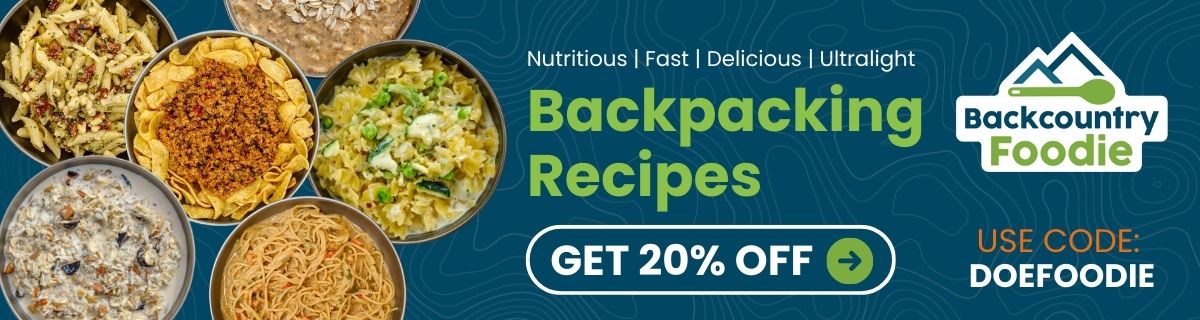
One great resource for backpacking meals is Backcountry Foodie. This site has hundreds of trail tested recipes developed by certified and licensed dietitians. A sure way to get the right balance of nutrients.
All Ten Essentials: